

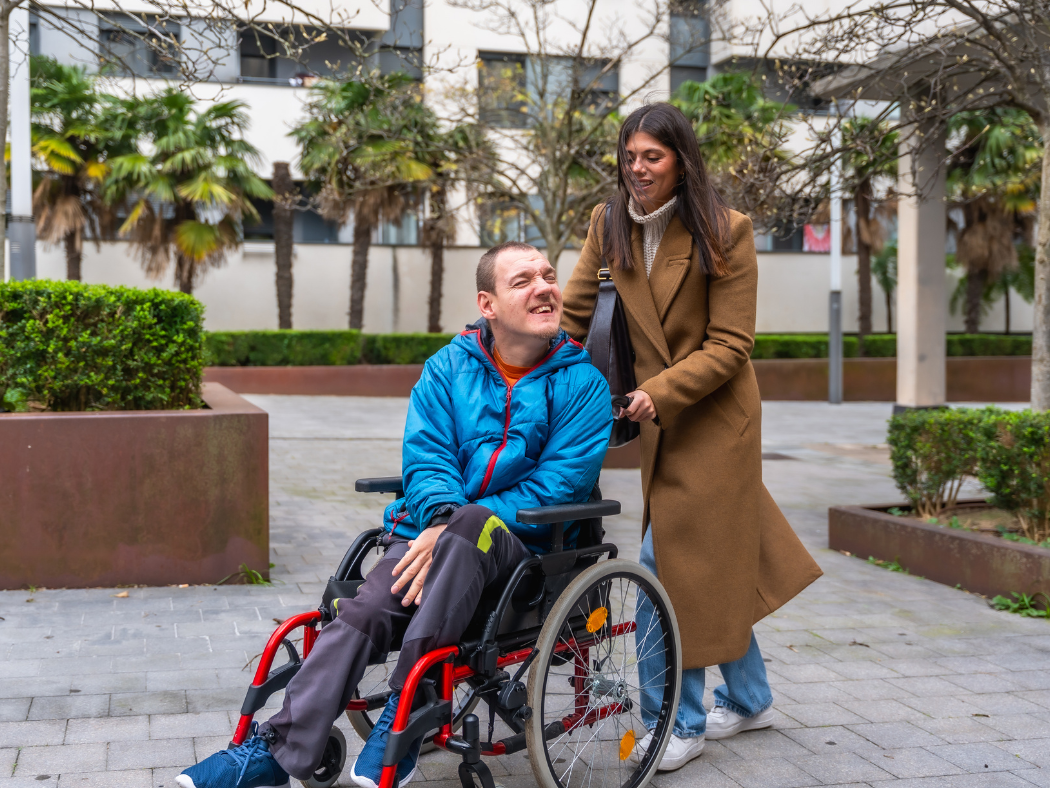
Community Confidence
This story reflects a common challenge: leaving home for community activities felt overwhelming, and social situations created anxiety rather than connection.
With gradual, respectful support, the focus shifted from avoiding outings to building confidence step by step — at a pace that felt safe and manageable.
Confidence in community
Feel more comfortable joining activities and navigating public spaces.
Gradual exposure
Step-by-step support that respects pace and personal preferences.
More independence
Greater willingness to participate and fewer anxious moments before leaving home.
What mornings felt like before support
The day often started with pressure. There was too much to coordinate at once, too many reminders needed, and not enough structure around the small tasks that shape the whole day.
That usually affected more than the morning itself. Delays created frustration, confidence dropped, and the rest of the day felt harder to settle into.

What the support focused on
The goal was not to overcomplicate the day. It was to put the right support around the right moments, so mornings felt predictable, practical, and easier to follow.
- Clear morning routine planning
- Practical prompts and home task support
- Simple communication with family and support team
- Travel and transition preparation when needed
Set the rhythm
We identified the parts of the morning that created pressure and simplified them into a repeatable routine.
Support the handover points
Transitions between waking, getting ready, leaving home, and arriving in the community became much clearer.
Build confidence over time
With steady follow-through, the person receiving support had more ownership, confidence, and consistency each week.
What was getting in the way
- Mornings felt rushed and reactive
- Too much reliance on repeated reminders
- Tasks often carried over into the rest of the day
- Communication between everyone felt inconsistent
What improved with consistency
- Morning structure became easier to follow
- Less pressure on family and support coordination
- Daily transitions became more predictable
- Progress felt visible, practical, and sustainable
What changed in everyday life
The result was a calmer week, better routine, and clearer communication between the person receiving support, their family, and the team around them.
Families gained more confidence, and the person receiving support had steadier structure, better follow-through, and more room to focus on everyday progress.
Most noticeable improvements
- Mornings became easier to start and finish
- Less confusion around daily tasks and timing
- More consistent communication across the week
- Greater confidence at home and in the community
“The biggest change was not just getting through the morning. It was feeling calmer, more prepared, and more confident about the whole week.”
The kind of progress shown in this story often comes from simple, steady support delivered in the right places at the right times.
More progress moments connected to this support journey
Looking for support that feels steady, practical, and easier to follow?
Talk with our team about the kind of day-to-day support that can reduce pressure at home and create clearer routines.